
Shenzhen Shuying Technology and Gia Linh Promote Smart and Sustainable Livestock Farming
On the morning of February 4, 2026, in Luong Son District, Phu Tho Province, the inauguration ceremony of the smart disinfection and sterilization room and the new technology feed control system under the FPF project was solemnly held with the coordination of Shenzhen Shuying Technology Co., Ltd. (Shuying Technology)and Gia Linh Manufacturing and Equipment Co., Ltd..
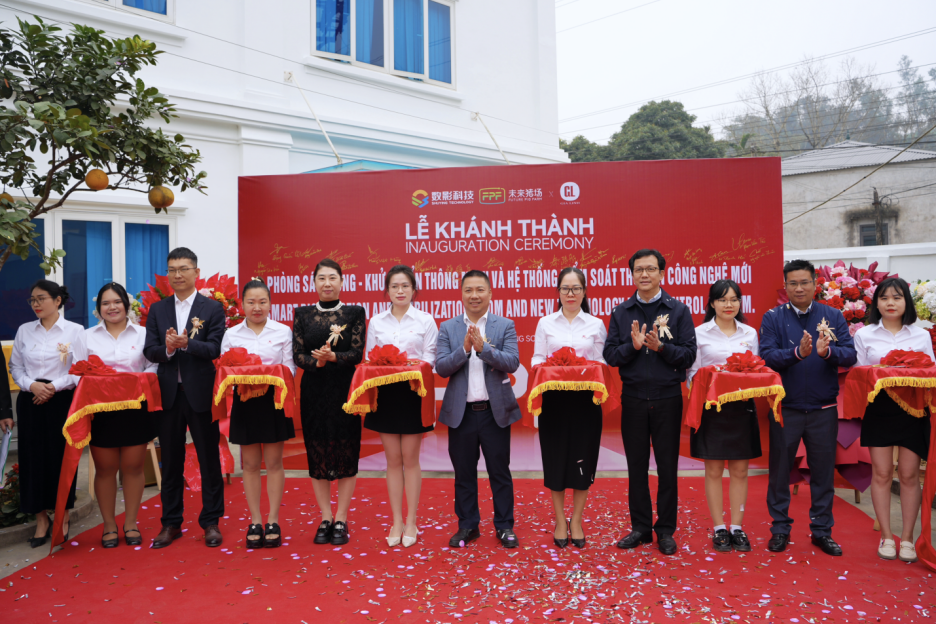
Official ribbon-cutting ceremony
The event marked an important milestone in the application of modern technological solutions in livestock farming, aiming to enhance biosecurity, control feed quality, and develop smart, sustainable livestock farm models in line with new trends.
Attending the event were leaders of Gia Linh Manufacturing and Equipment Co., Ltd., Shenzhen Shuying Technology Co., Ltd., C.P. Vietnam Livestock Joint Stock Company, Journal of Animal Husbandry Science and Technology, along with many enterprises and livestock farms.
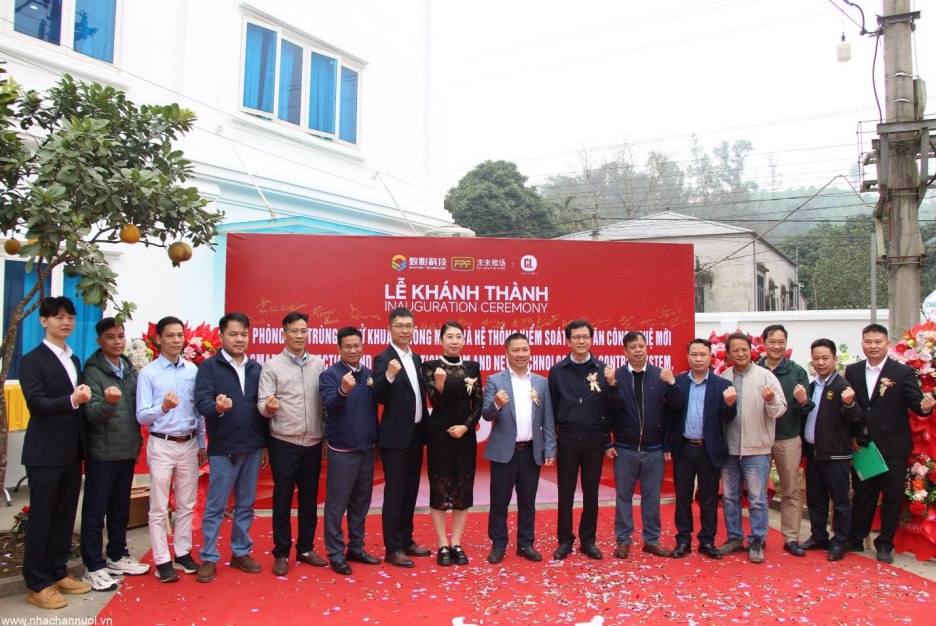
The event was attended by local livestock farmers and business owners
Strengthening Vietnam–China Cooperation in Livestock Technology
In her opening remarks, Ms. Roxy, International Business Director of Shuying Technology, stated that the inauguration of the first overseas representative office worldwide of Shenzhen Shuying Technology Co., Ltd. (China), together with the Global Smart Pig Farming Experience Center in Vietnam, is an important milestone in the process of technological cooperation in livestock farming between China and Vietnam.
According to Ms. Roxy, as Vietnam’s livestock industry is developing toward large-scale production while simultaneously facing many challenges such as African swine fever, requirements for higher productivity, and stricter environmental standards, advanced AI-based livestock solutions will play a key role.
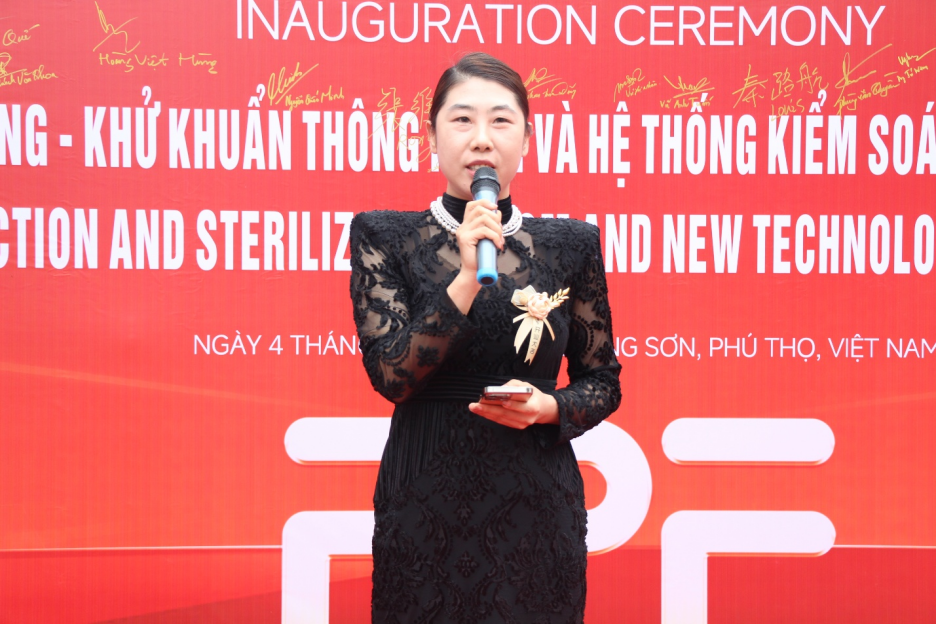
Ms. Roxy, International Sales Director of Shenzhen Shuying Technology Co., Ltd.
The exhibition center in Vietnam will introduce a comprehensive AI livestock ecosystem, ranging from environmental control, precision feeding, early disease warning to individual animal management, helping reduce costs, improve efficiency, and enhance product quality.
Ms. Roxy also emphasized that the strategic partnership with Gia Linh Company, a partner with deep understanding of the local market, will be the foundation for Shuying Technology’s solutions to be localized, deployed, and operated effectively, bringing sustainable value and practical benefits to Vietnamese farmers.
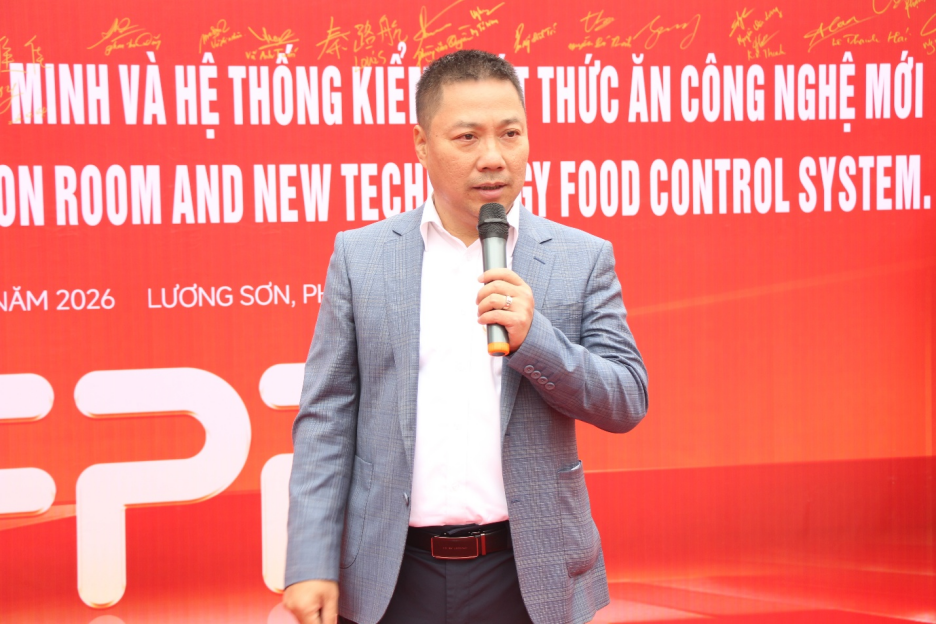
Mr. Hoang Viet Hung, Director of Gia Linh Manufacturing and Service Co., Ltd.
Mr. Hoang Viet Hung, Director of Gia Linh Manufacturing and Services Co., Ltd., stated that in practical production, farmers clearly understand that biosecurity and disease control are the core issues determining the efficiency and sustainability of farms.
According to Mr. Hung, along with the strong development of Industry 4.0 technologies, Gia Linh has cooperated with Shuying Technology to bring modern technological solutions to the Vietnamese market, including smart biosecurity disinfection systems for personnel, smart biosecurity disinfection systems for materials, and the FPF precision feeding system for sows.
He expressed his appreciation for the close cooperation, companionship, and positive contributions of Shuying Technology in bringing advanced solutions to Vietnam, thereby contributing to enhancing disease prevention capacity and promoting the sustainable development of the domestic livestock industry.
African Swine Fever and the Challenge of Human-Related Risks
Sharing at the event, Mr. Vu Anh Tuan, Deputy General Director of C.P. Livestock Joint Stock Company, said that he had the opportunity to work with and directly visit Shuying Technology Company as well as a multi-story pig farming model with a scale of 12,000 sows. According to Mr. Tuan, in the current context of African swine fever, biosecurity solutions play an especially important role and are increasingly being emphasized and developed.
In reality, diseases have many transmission routes, but human factors remain the primary cause. Although many farms in Vietnam have invested heavily in high technology and applied systematic and strict procedures, just one individual failing to comply can affect the biosecurity of the entire farm. Therefore, according to Mr. Tuan, relying solely on workers’ self-discipline still poses very high disease risks, while technologies that support daily disinfection and process control are essential, as just one lapse can cause serious consequences.
He also noted that Shuying’s technology has many advantages in reducing dependence on human factors, enabling more thorough control, helping biosecurity processes to be implemented in an orderly, synchronized, and disciplined manner, thereby minimizing subjective risks and enhancing disease prevention effectiveness at farms.
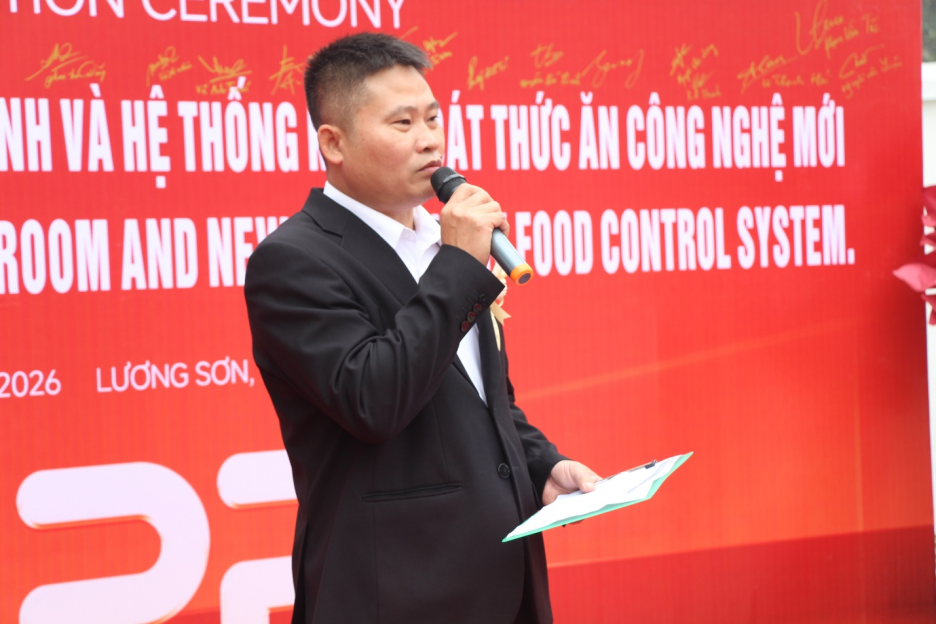
Mr. Dang Xuan Dat, Deputy Director of Gia Linh Manufacturing and Equipment Co., Ltd.
Mr. Dang Xuan Dat, Deputy Director of Gia Linh Manufacturing and Equipment Co., Ltd., said that through cooperation with Shuying, Gia Linh aims to bring many high-tech solutions to support pig farming models in Vietnam, notably three main product groups: personnel disinfection systems, material disinfection systems, and smart feeding technology for sows to improve farming efficiency.
According to Mr. Dat, these solutions allow managers to monitor remotely through applications and server systems, tightly controlling disinfection and warehouse sterilization processes as well as compliance with standards without needing to be physically present at the farm. In particular, the smart feeding technology is considered an advanced solution, capable of monitoring each pig’s condition, weight, and feed intake, thereby early detecting signs of feed refusal or health abnormalities.
Notably, the system can be installed directly in existing sow farms without the need for new construction. He expressed hope that after hands-on experience, enterprises and farm owners will trust, choose to cooperate, and apply these solutions in practice, contributing to enhanced biosecurity and production efficiency.
Smart Feeding and Closed-Loop AI Management
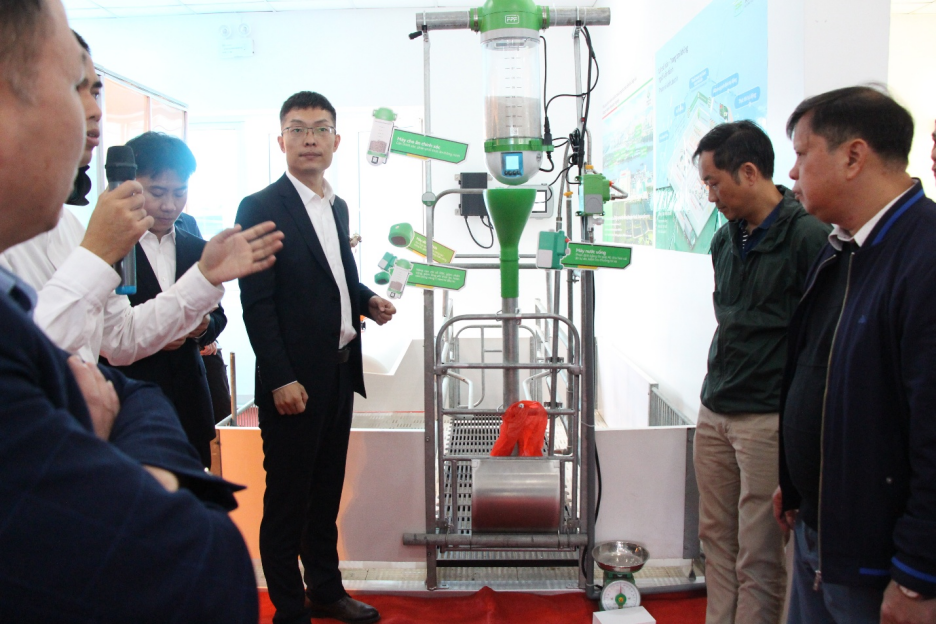
Mr. Yang Jin, International Business Manager and representative of Shenzhen Shuying Technology Co., Ltd., presented the application of the smart sow feeding system
At the event, a live demonstration and practical operation guidance session of the smart sow feeding system was held. Specifically, Mr. Yang Jin, International Business Manager and representative of Shuying Technology, directly introduced the configuration, operating principles, and usage procedures of the equipment. Through the visual presentation, attendees had the opportunity to observe the entire real-time data collection process of each product.
The FPF smart sow feeding device, developed by Shuying Technology, is considered a key solution to optimize sow farming efficiency toward high-tech livestock production. The system operates like a smart feeding assistant, collecting real-time data of each sow, automatically building and adjusting optimal nutritional rations based on body condition, reproductive history, and environmental conditions, while accurately monitoring daily feed and water intake to detect early health abnormalities through real-time alert mechanisms.
The smart sow feeding system operates under a closed-loop management model based on real-time data. At the barn, precision feeders, drinking water controllers, and surplus feed identification cameras continuously collect information on feed intake, water consumption, and behavior of each sow. This data is transmitted to the central processing unit FPF Engine for analysis and synchronized with the FPF intelligent IOT management production platform.
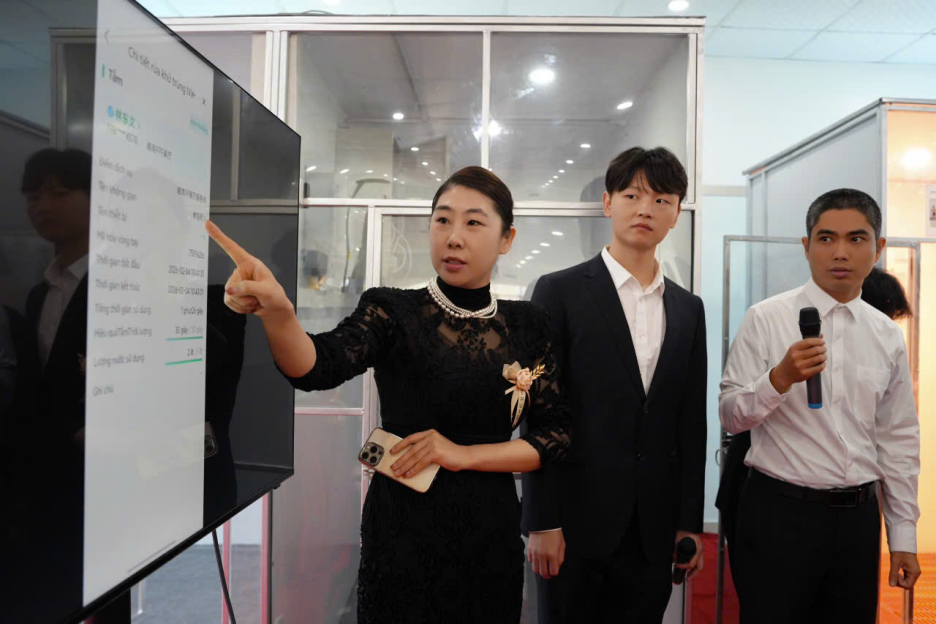
Based on this, the system automatically builds and adjusts optimal nutritional rations according to body condition and reproductive stage, while detecting early signs of abnormalities. Through the FPF App, managers can monitor, receive alerts, and control the system remotely, enabling precise, synchronized, and efficient feeding processes while reducing dependence on human factors.
AI-based image recognition technology allows monitoring of leftover feed to reduce waste, while smart indicator lights and offline modes ensure continuous, safe, and uninterrupted feeding operations. The system supports diverse feeding modes such as automatic, free-feeding, dry–wet, and remote control, suitable for many existing farm models without the need for new construction.
According to calculation scenarios in the Vietnamese market, with a scale of 1,000 sows, the solution can reduce up to 5 laborers, significantly save daily care time, precisely control feed quantity (reducing leftover feed by about 0.3 kg/day), and markedly improve reproductive indicators such as increasing average weaning weight by 0.2–0.5 kg/piglet, increasing total litter weight by 2.5–7 kg, improving survival rate at weaning by 1–3%, and reducing the proportion of underdeveloped piglets by 0.5–2%.
In terms of economic efficiency, the system helps extend the reproductive lifespan of sows, reduce culling rates, improve milk production capacity and uniformity of piglets, thereby generating annual profit values that exceed operating and initial investment costs, with a payback period calculated at approximately 1.27 to 1.67 years depending on barn areas. This is considered an important step forward in precise nutritional management, reducing dependence on human factors and enhancing discipline and biosecurity in modern sow farming.
Smart Hygiene and Disinfection Systems for Personnel and Materials
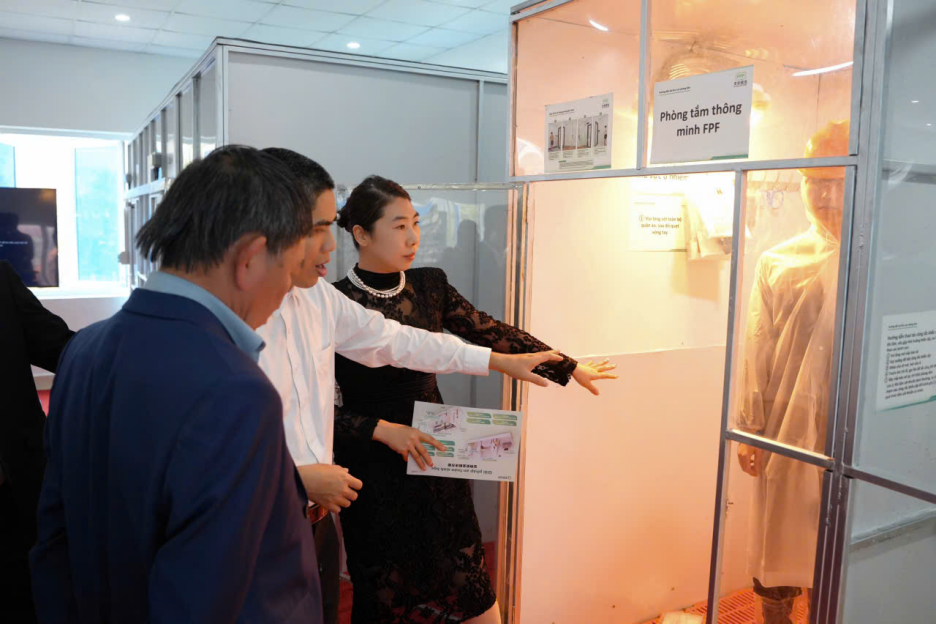
In addition, two key biosecurity solutions were introduced, including Biosafety-intelligent personnel cleaning and disinfection system and Biosafety-intelligent material cleaning and disinfection system, aimed at building a multi-layer disease prevention “shield” for modern livestock farms.
For personnel, the system is designed with a closed process, controlling access rights, identifying personnel entry and exit, and mandating full compliance with bathing and disinfection steps before entering livestock areas.
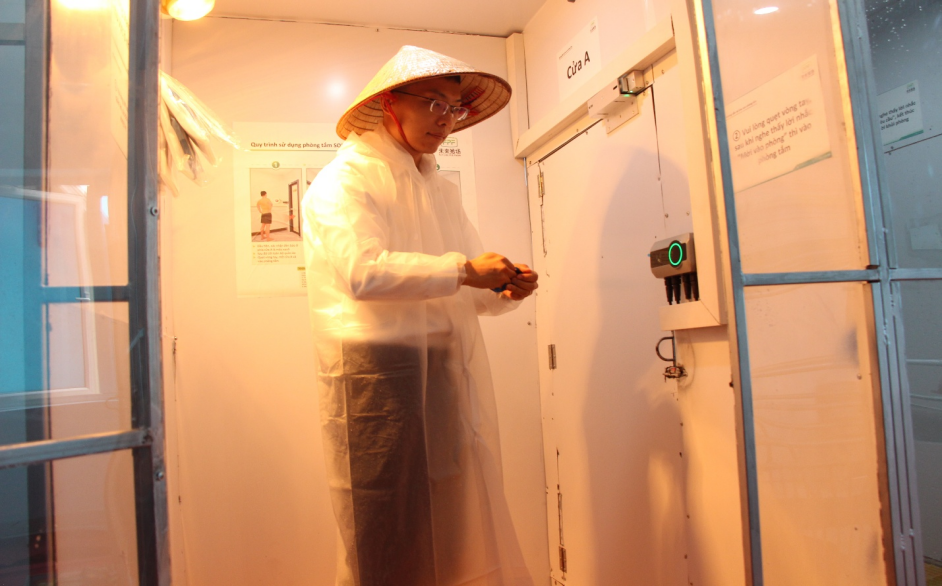
The entire process is monitored by time and position sensors, smart locks, and automatic alerts, while data is recorded in real time, helping standardize procedures, reduce dependence on personal awareness, and ensure that 100% of personnel are properly cleaned and disinfected. At the same time, the material disinfection system allows processing of all tools, equipment, and supplies entering and leaving the farm through automatic disinfection chambers, integrating technologies such as mist spraying, ozone, and drying, combined with strict monitoring of concentration, temperature, and disinfection time. Only when safety requirements are met are materials allowed to be used.
These two solutions are connected to the FPF intelligent IOT management production platform, enabling centralized monitoring, record tracing, and enhanced biosecurity management efficiency, contributing to minimizing disease risks and improving operational discipline in large-scale livestock farms.
Toward a Data-Driven and Disciplined Livestock Industry
Concluding the event, the inauguration of the Smart Disinfection and Sterilization Facility and the Advanced Feed Control System not only marked a milestone in the cooperation between Shuying Technology and Gia Linh, but also highlighted the clear shift of Vietnam’s livestock industry toward technology-driven, data-based and disciplined management models.
The integrated application of smart feeding, precision nutrition management and multi-layer biosecurity solutions is expected to help farms reduce disease risks, optimize costs, enhance productivity and ensure long-term sustainability. This is also considered a critical foundation for Vietnam’s pig industry to gradually approach international standards and proactively adapt to challenges related to disease, environmental protection and production efficiency in the next development phase.